Contents
Our upcoming Spring color issue is chock-full of ideas, including new ideas for natural dyeing. Growing your own natural dyes is a great way to connect to your local environment, but not all of us have space for a garden. Here’s an easy way to dip into growing your own natural dyes—no yard required! —Spin Off editors
Container gardening is exactly what it sounds like. Instead of growing plants in the ground, they are grown in containers such as window boxes, planters, and pots. There are numerous benefits to this method of gardening, with the most obvious being space. With a container garden, any window sill, shelf, or patio can be an opportunity for planting.
Why Try Container Gardening for Dye Plants?
In addition to offering growing space flexibility, containers can also be useful for growing plants that need particular conditions to thrive. Some plants need specific soil types, additives, or pH to thrive. Since every plant has its own container, each one can have a unique environment to help it flourish.
Container gardens can also be helpful for people with reduced mobility. There’s no need to crawl on the ground! With plants stands, tables, and windowsills, you can bring the plants to a comfortable height for you.
Planning a Container Dye Garden
There are multiple factors to consider when planning out a container dye garden. One factor is space. Where can you place your containers, what size do you need, and how large will your plants become? Check the maximum height and spread of the plants you are interested in growing. For example, weld can grow up to 60" (1.5 m), so is too large for a windowsill, and might be better suited to growing on a patio or on the floor in a well-lit room.
 Be sure to match the needs of your dye plants to their containers and growing area.
Caring for Your Dye Plants
It’s easy to overcrowd plants in a container. Remember that more plants in an overcrowded container may not produce more than one happier plant in the same pot! If starting from seed, sow lightly and thin out weaker seedlings.
It is also important to ensure that your plants are getting the sunlight they need. Indoor plants by a window will get less sunlight than those outdoors. Observe your space to see how much light it receives and match this to a suitable plant. You can also supplement with grow lights, which can be easily purchased online or at a garden center.
You also need to check that your environment is suitable for your plants. The correct temperature and humidity are crucial for plants to thrive! Indigo is a plant that needs heat and humidity, while another blue dye plant, woad, is more suited to temperate climates.
Be sure to monitor your dye plants’ watering, pH, and fertilizer needs. While some dye plants thrive in poor soils, others are heavy feeders and may need supplemental feeding throughout the growing season. Check regularly for pests, which can spread to your other plants if left unchecked.
 Seedlings in growing medium. Photo by Markus Spiske on Unsplash
Time to Dye
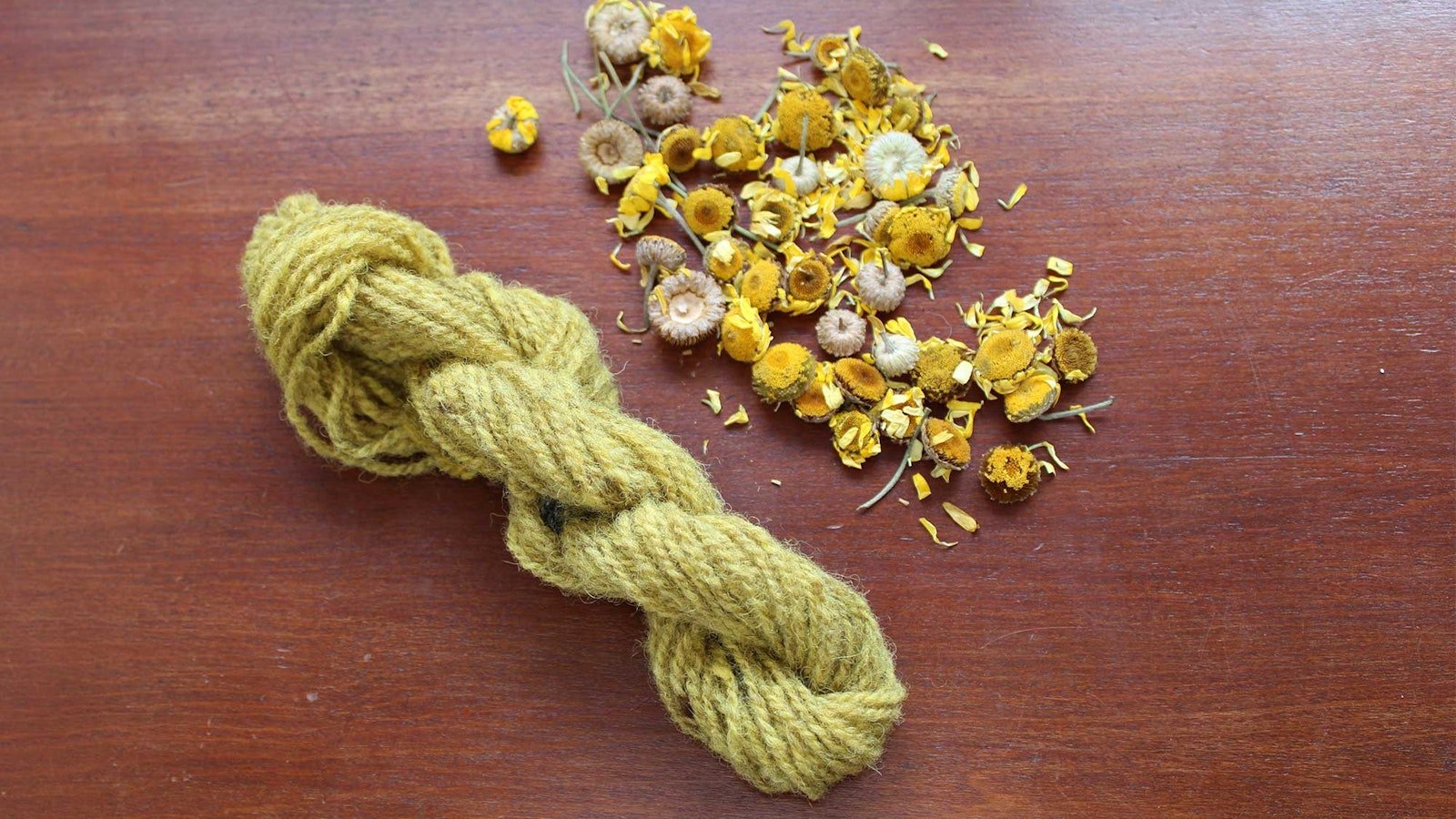
After months of watering, fertilizer, and care, it is time to harvest. Dye plants can be used fresh or dried, although the proportion of dyestuff to yarn will be different. My starting place for dyeing is usually a ratio of 4:1 weight of fresh dyestuff to yarn or 1:1 weight of dried dyestuff to yarn.
To preserve your dyes for later use, you can dry them out. Depending on the humidity of your home, you can dry them in a sunny spot with good air circulation or in a dehydrator. After drying, I store my dyes in glass jars to ensure that they don’t get wet or attract insects. I also recommend storing them out of the sun to prevent the dyes from losing their potency.
 Isabella stores her dried dyestuff in glass jars to extend their shelf life.
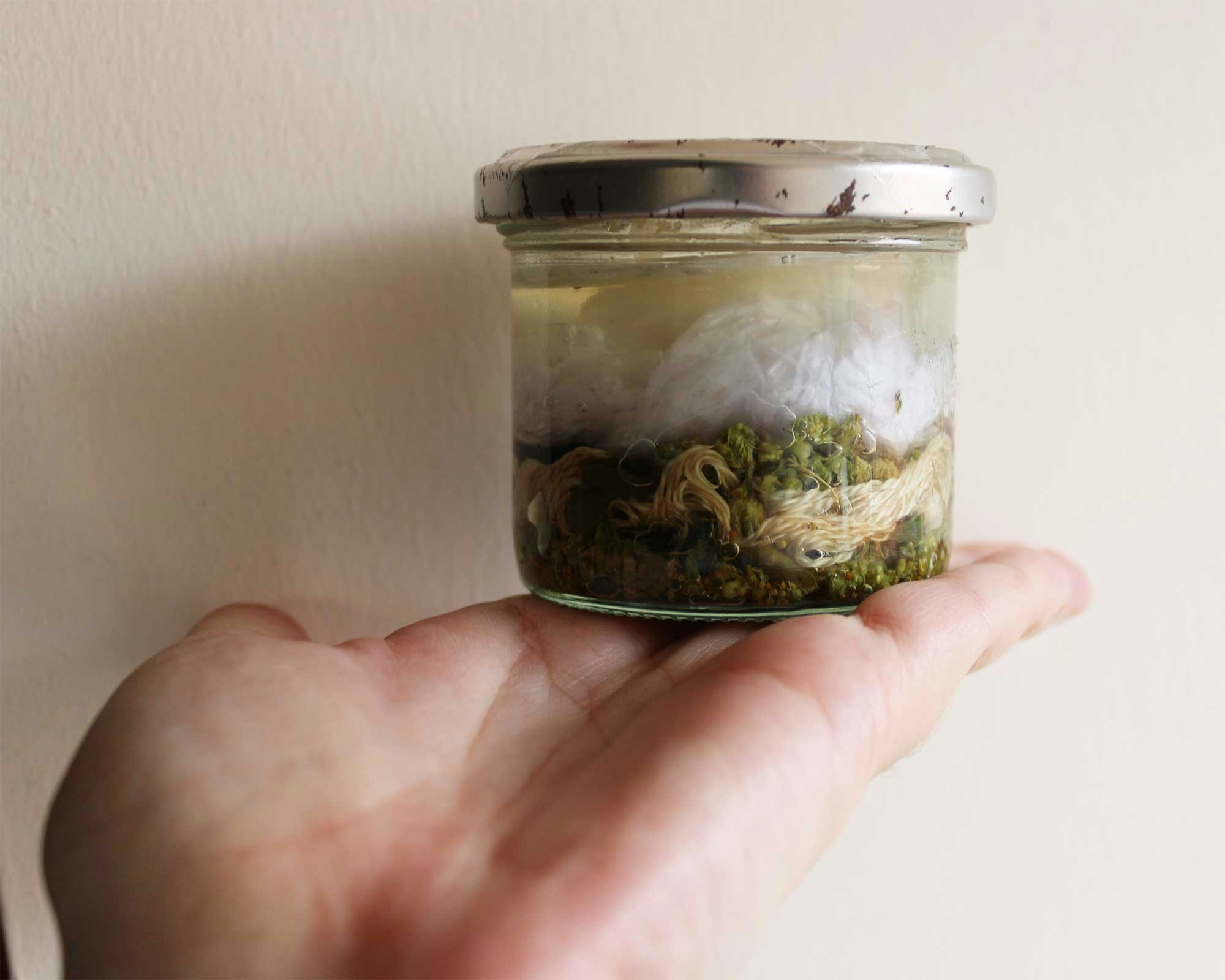
Now that you have your dyestuff, the real fun begins! You can use them to dye commercial or handspun wool. You can pack them in jars with yarn and water on a sunny windowsill to try solar dyeing. You can use fresh dye plants to create eco prints on fabric or paper. The possibilities are endless!