

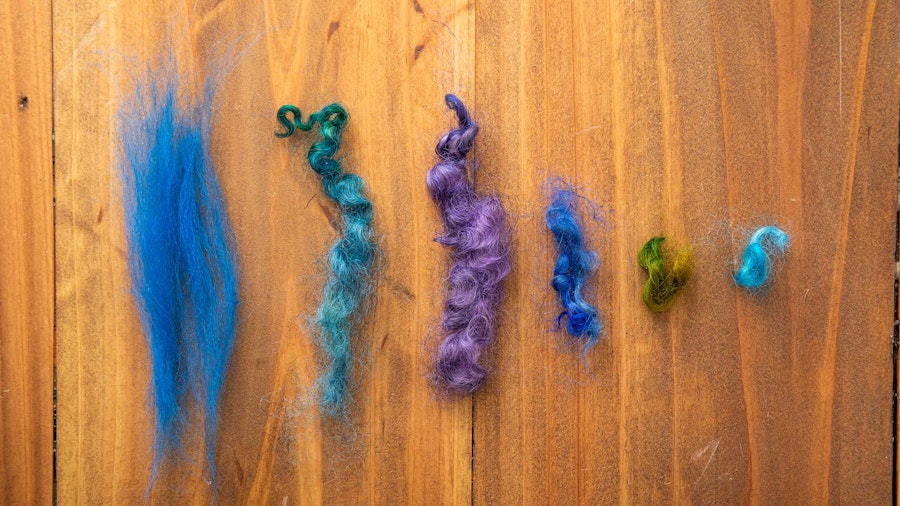
A spinner’s guide to understanding animal fibers’ shape—and when it matters.

Devin Helmen shares their tips for taking your spinning wherever you go!

A short(ish) roundup of fiber news and events from the editor.

Whether you’re headed to the cafe, the beach or simply your favorite cozy spot, you can spin wherever life takes you!
Subscriber Exclusive
When it comes to fiber prep, you’ve got options! Find out what to look for to make the best choice for you and your fiber.
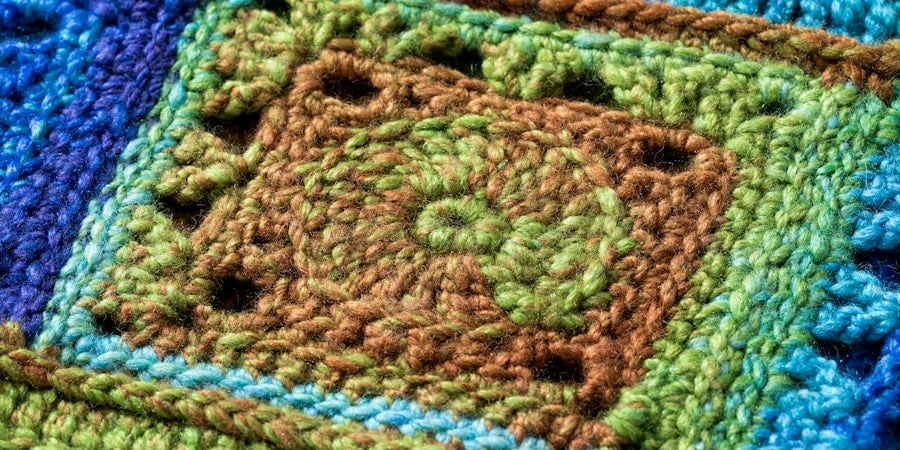
Find links for web extras, subscriber-exclusive downloads, video resources, and more!
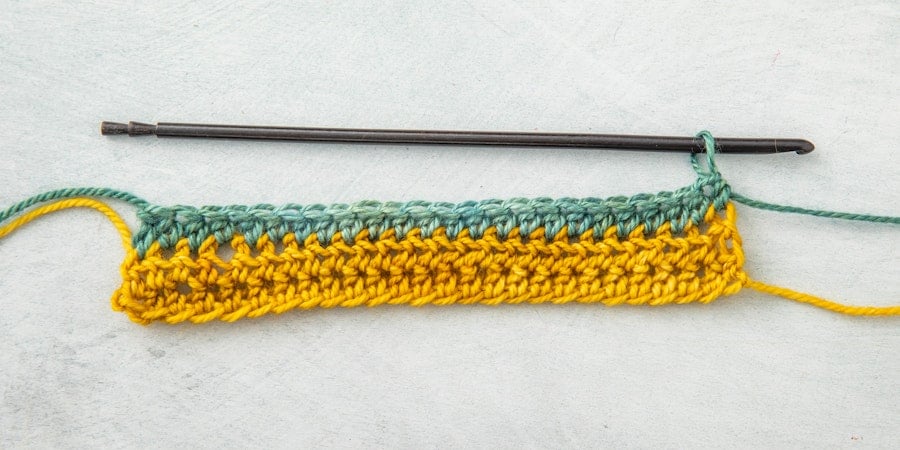
Check out this clever way to make cleaner color transitions with your crochet in Spin Off Fall 2026.
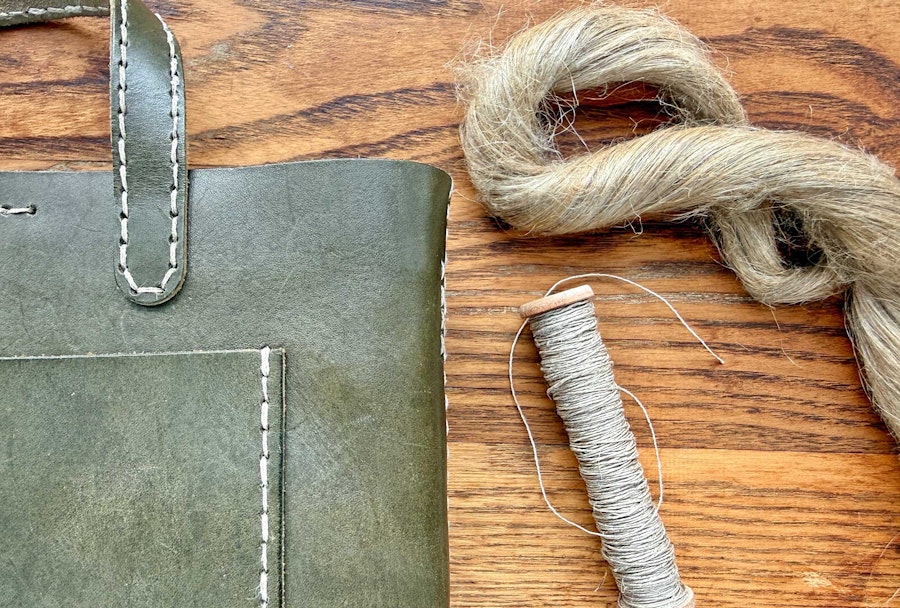
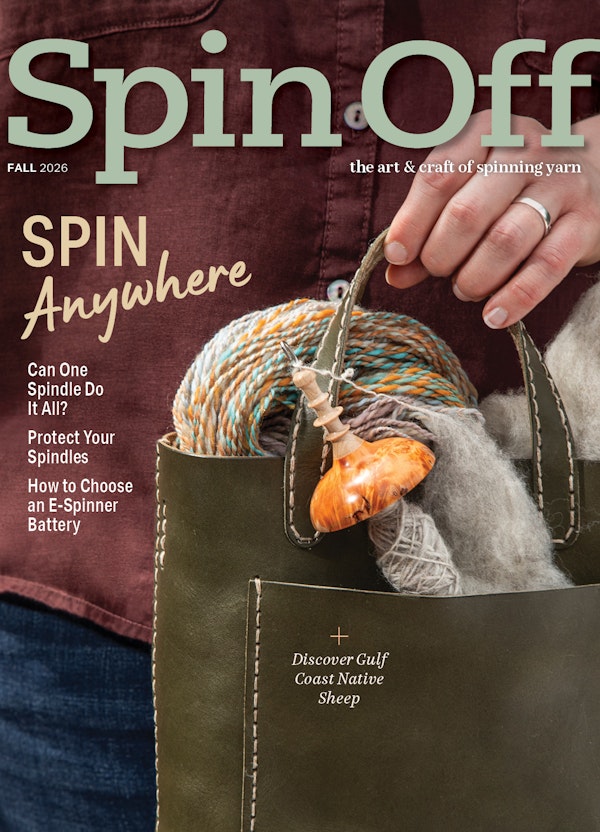
A do-it-yourself leather-tote kit, transformed with handspun linen, started as a joyful exploration and ended up featured on the cover of Spin Off Fall 2026.
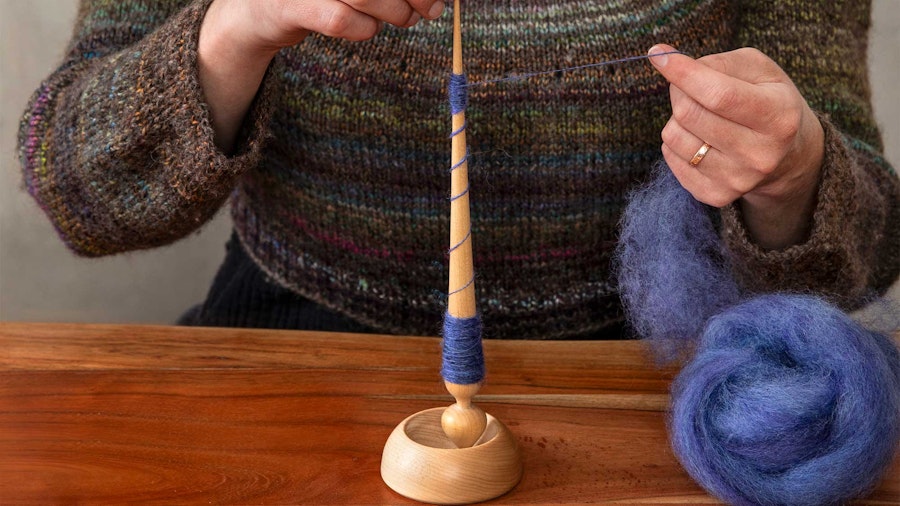
A few spots just opened up in our beloved annual retreat—get your spot today!
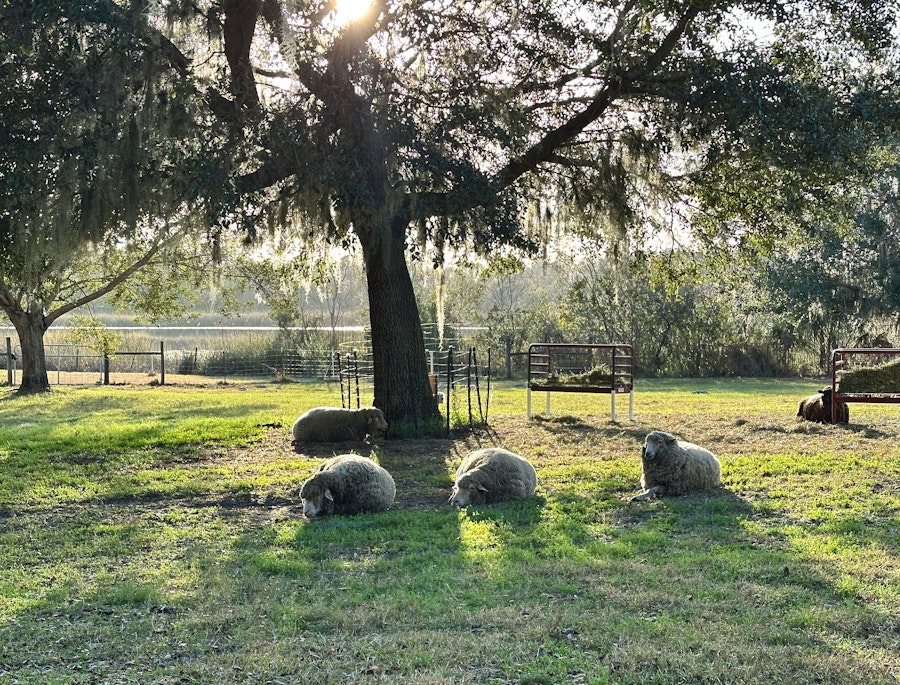
Meet two breeds that thrive in the humid temperatures of Florida
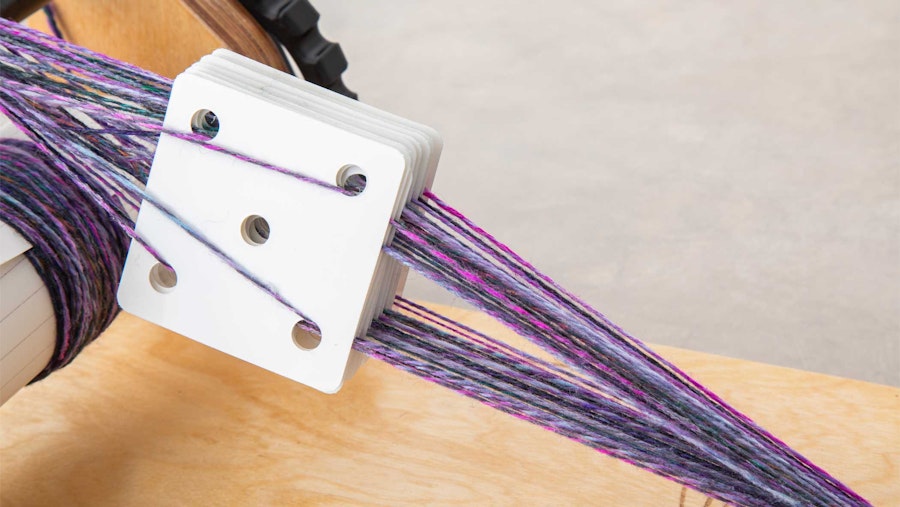
All Access Exclusive
Get tips for tablet weaving and two patterns to get you started.
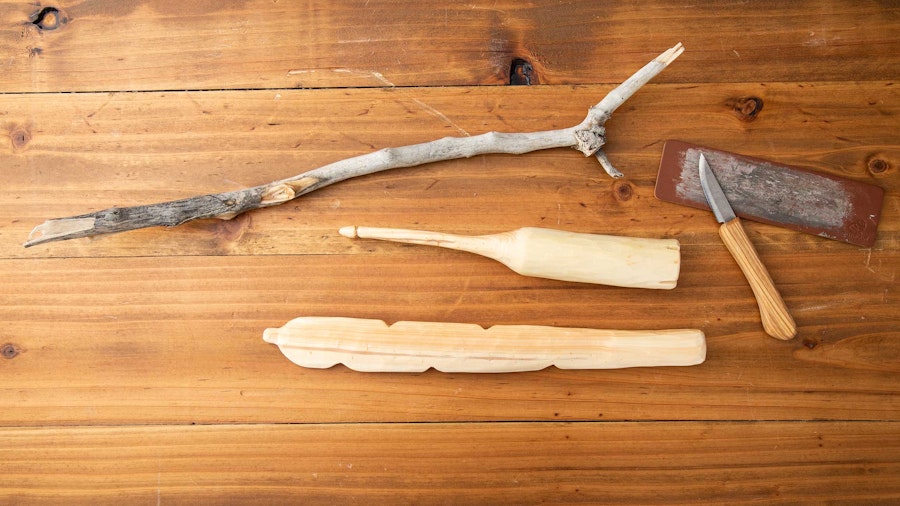
Get a sneak peek at the Fall 2026 issue and discover how easy it is to make your own spinning tools.
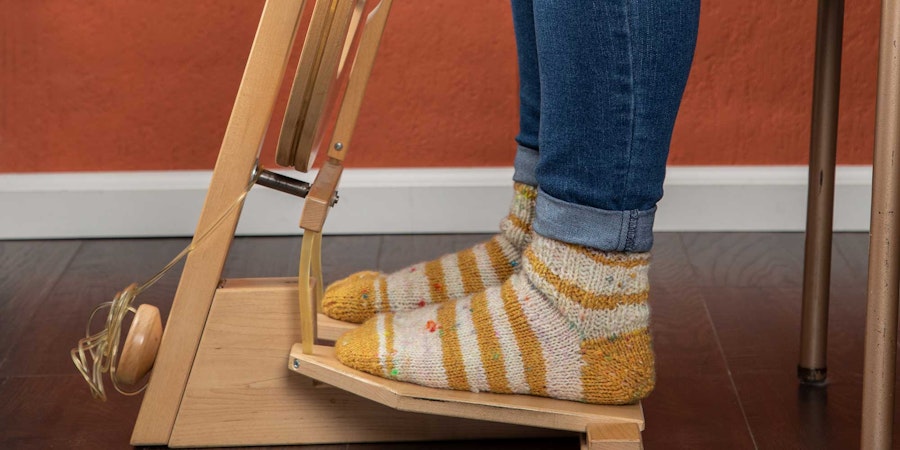
As Tour de Fleece winds down, many of us find ourselves wanting to keep the spinning habit going. Find out how one spinner keeps it going all year long.
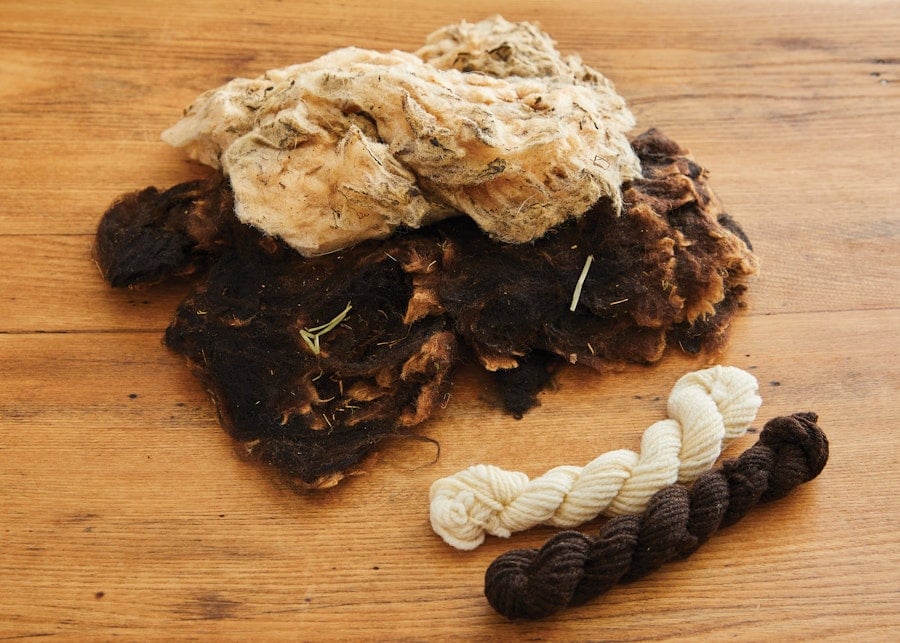
Don’t let a funky looking fleece keep you from the secrets within! Emonieiesha shares how to find the fabulous fiber hiding inside.