One of the most recognizable qualities of angora yarn is the soft halo that surrounds it. That light cloud of fiber is what gives angora its warmth, softness, and unmistakable luxury. But just how much angora will you need to produce the halo?
The simple answer is that it depends. The amount of angora fiber used certainly influences halo, but it is not the only factor. Your blending choice, spinning technique, and the project itself matter just as much as the percentage of angora in the mix!
I raise German angora rabbits and have spent years experimenting with different ways to use their fiber. From spinning for crochet projects and knitting machines to specialty embroidery thread and even a macrame angora blend I’ve tried so many things with my angora fiber. I naturally began testing different blends, spinning styles, and projects. Over time, it became clear that halo isn’t just about the amount of angora in a yarn—it’s about how the yarn is built and how it is used.
 One of Angelia’s Chocolate German Angora rabbits. Photos by Angelia Silvera unless otherwise noted
Fiber Percentage
Angora fibers are extremely fine and lightweight. Because of this, they naturally want to float outward from the yarn structure. Even relatively small amounts of angora can create a visible halo once the yarn relaxes and blooms.
Many yarns containing 20–30% angora will develop a noticeable halo after the yarn is made up into fabric and washed. As the yarn relaxes, the angora fibers lift slightly and create that soft cloud around the stitches.
Higher percentages—50% or even 100% angora—will produce a stronger halo, but that doesn’t always mean they are the most practical yarns. Pure angora yarn can be extremely warm and somewhat delicate, which makes it better suited for lighter-wearing accessories rather than everyday wear.
This is one reason angora is often blended with other fibers.
Spinning Technique Matters
How the yarn is spun plays a major role in how much halo develops. Angora fibers are smooth and lack the strong crimp that helps wool lock together. Because of this, the spinning method determines how tightly those fibers are held inside the yarn.
A yarn spun with a looser twist or a woolen-style spin allows more angora fibers to bloom outward, producing a fuller halo. A tighter worsted-style spin holds the fibers more securely, resulting in a smoother yarn with a more controlled halo.
Knit or Crochet?
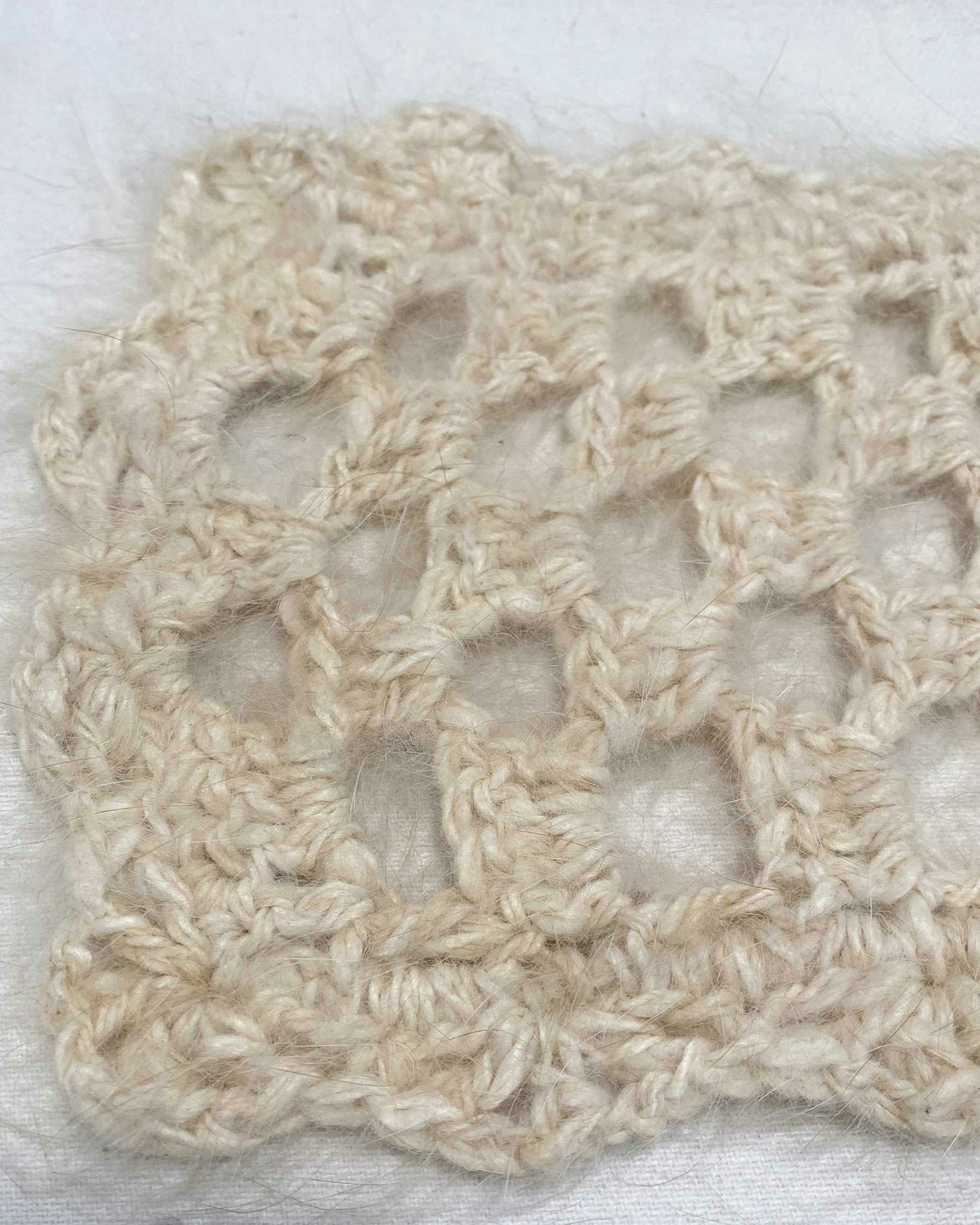
The way the yarn is worked into fabric also changes how the halo appears. Interestingly, crochet often produces a more visible halo than knitting. Many crochet stitches tend to have more surface texture, and crocheting can create more friction as the yarn is pulled through loops. This movement helps loosen some of the angora guard hairs and fine fibers, allowing them to bloom outward more dramatically. Because crochet fabrics also tend to have more dimensional texture, the halo catches light differently and becomes more noticeable across the surface.
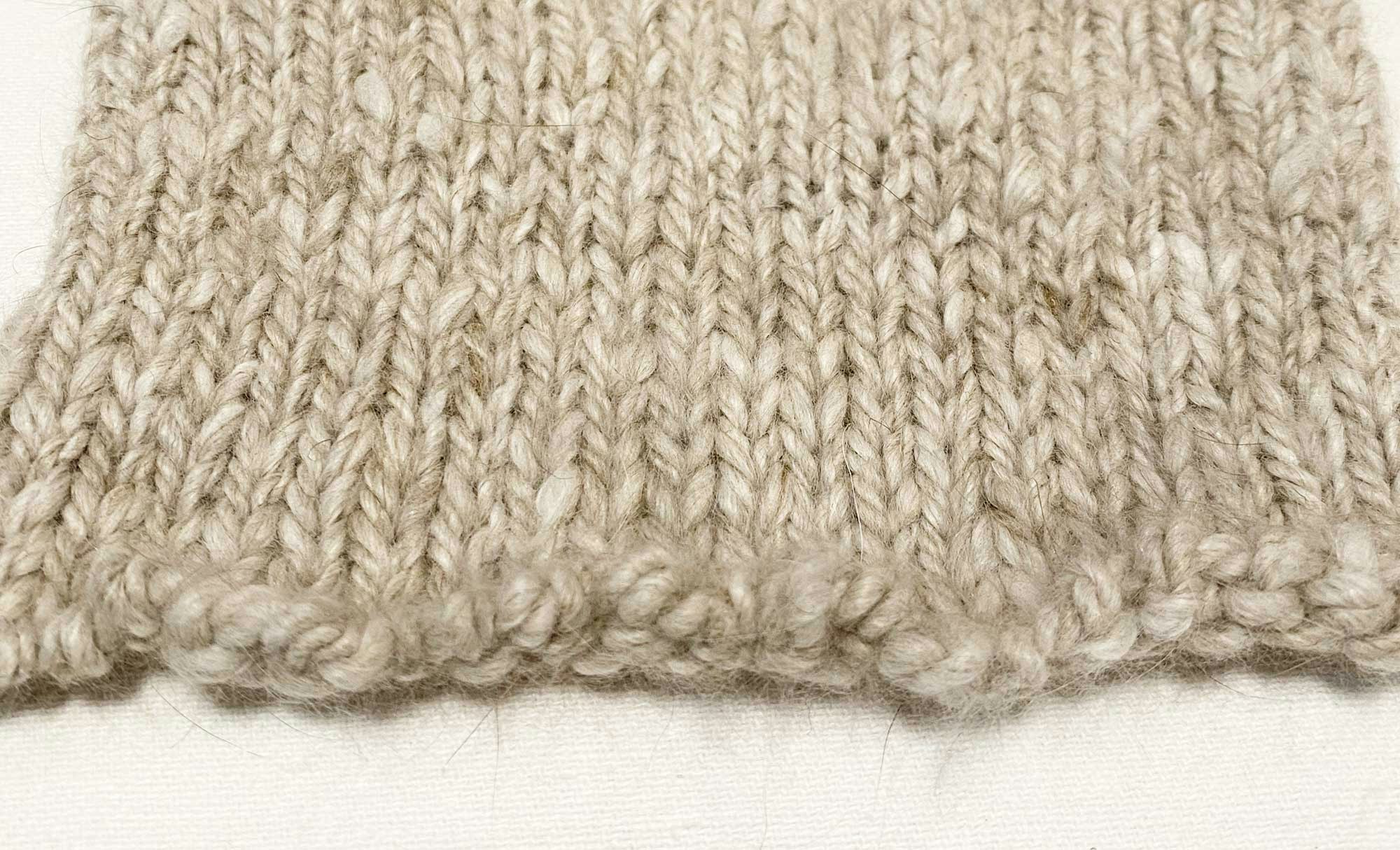
Knitting can produce a beautiful halo as well, but the smoother fabric structure often keeps the fibers lying more evenly across the stitches. If you want to have more halo in a knitted garment, consider experimenting with gauge. A looser-knit item will give the stitches a bit more surface area and more room for the angora fibers to bloom.
Blends Matter
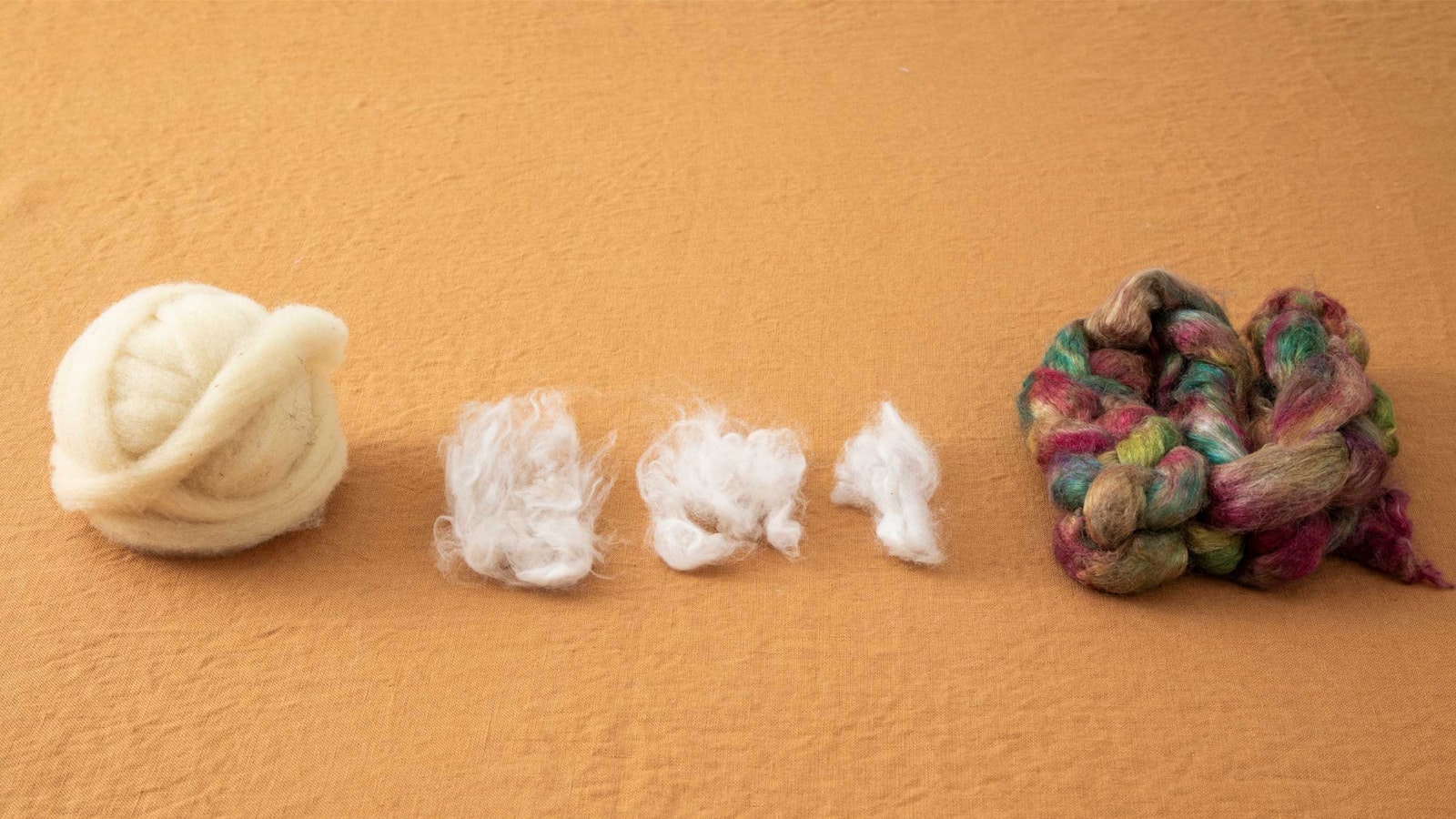
The companion fiber in a blend also changes how angora behaves. For example, an angora and silk blend creates a luminous yarn. Silk provides strength and shine while allowing the angora fibers to float outward and creates a very delicate halo.
An angora and Corriedale blend produces a more structured yarn. Corriedale has enough crimp to help anchor the angora fibers while still allowing that signature halo to develop.
Blending angora with alpaca and merino creates a plush yarn with wonderful softness and drape. Alpaca contributes smoothness, while merino adds elasticity and memory. Together they support the angora fibers while allowing a rich halo to form.
 Each yarn has a different fiber base blended with the angora fiber. Angelia added silk (left), Corriedale (center) and a blend of Merino and alpaca (right).
Designing the Halo You Want
After years of raising German angoras and experimenting with their fiber, I’ve learned that creating halo isn’t simply always about using more angora. The structure of the yarn, the fiber it is blended with, and the techniques used in spinning, knitting, weaving, or crochet all influence the final result.
A yarn with a modest amount of angora can still produce a beautiful halo if the structure allows the fibers to bloom. On the other hand, a high-angora yarn spun tightly may appear much smoother than expected.
Understanding these relationships allows fiber artists to design yarns intentionally—whether the goal is a subtle glow of softness or the full, dreamy halo that makes angora so distinctive. Now, go experiment, and create the angora blend of your dreams!
Resources
- Learn more about angora fiber in Angora Myths and Facts.