
Kate Larson, editor of Farm & Fiber Knits, was the editor of Spin Off from from 2018–2025. She's excited to continue serving Spin Off as content editor. Kate teaches handspinning around the country and spends as many hours as life allows in the barn with her beloved flock of Border Leicesters.
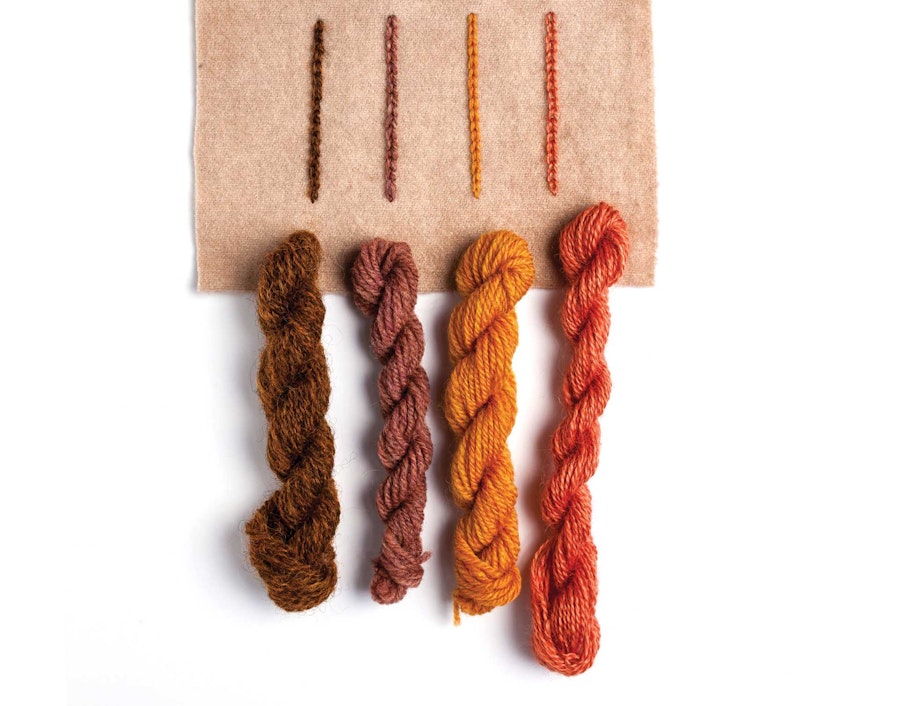
In the Spring 2016 issue of Spin Off, Kate Larson shared tips for spinning your own woolly embroidery yarns. From primitive breeds to fine wools, learn how-to design a yarn that shows off your needlework skills.
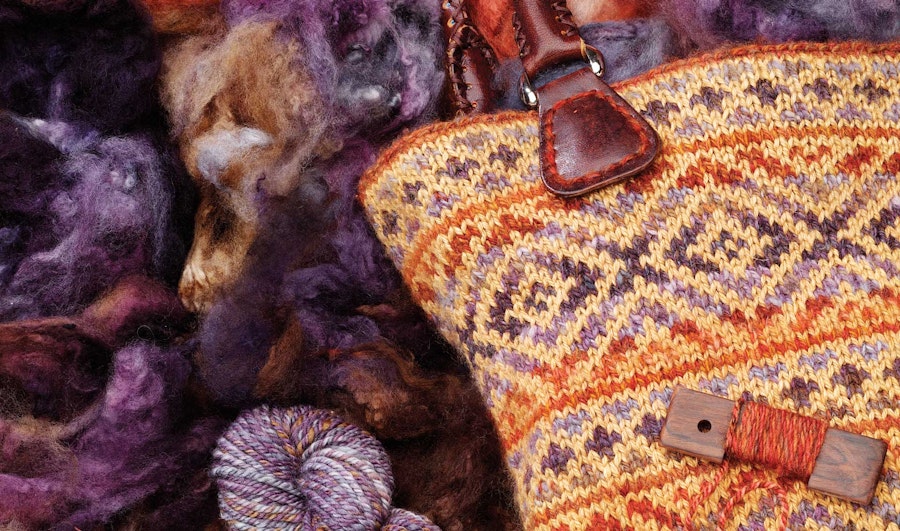
Planning a handspun, Fair Isle knitting project? In the Spring 2012 issue of Spin Off, Kate shared her tips for preparing dyed, wool locks for a smooth, worsted-style yarn.
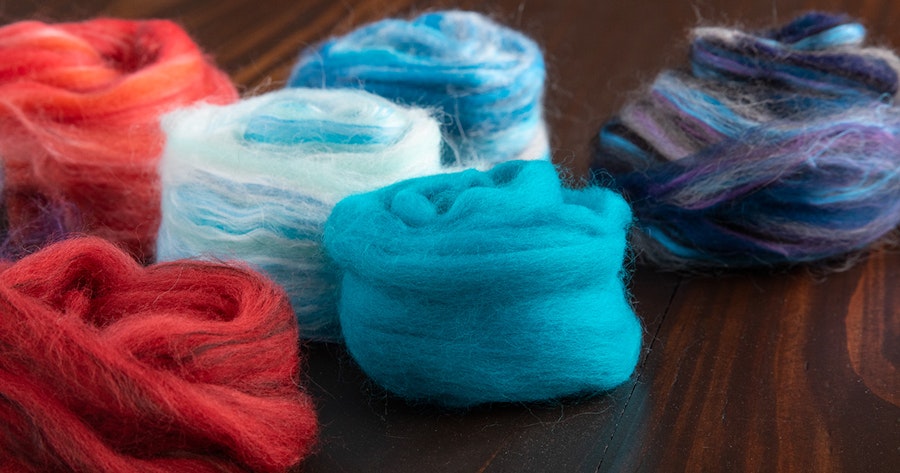
Feed your creativity with handspinning tools both old and new in the Fall 2020 issue of Spin Off.
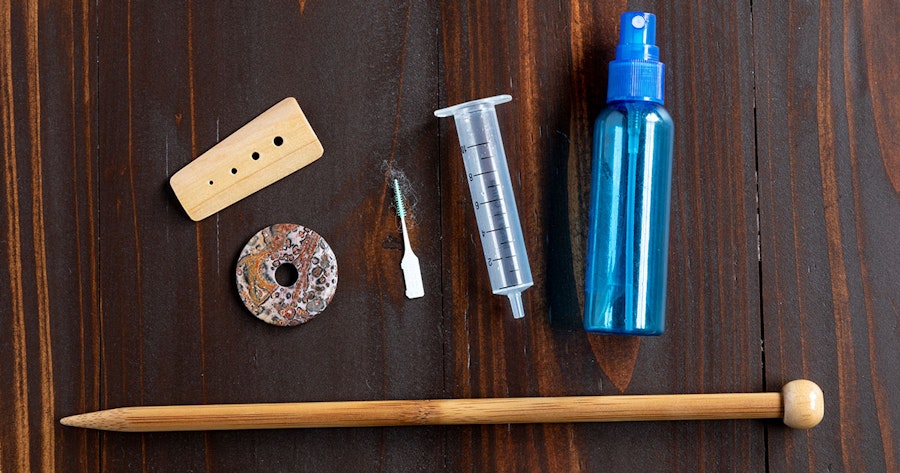
In the Fall 2020 issue of Spin Off, passionate wool comber Kim McKenna makes a case for often omitted steps when combing, such as oiling, planking, and two passes through a diz.
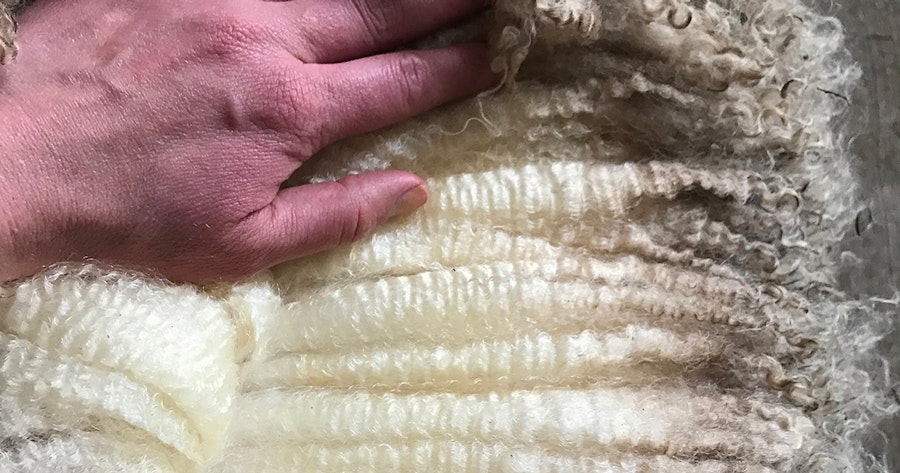
From Cotswold to Karakul, fleeces on the coarse end of the wool-grading scale tend to grow in bold curls or waves. This character allows us to spin a wide range of useful yarns.
Subscriber Exclusive
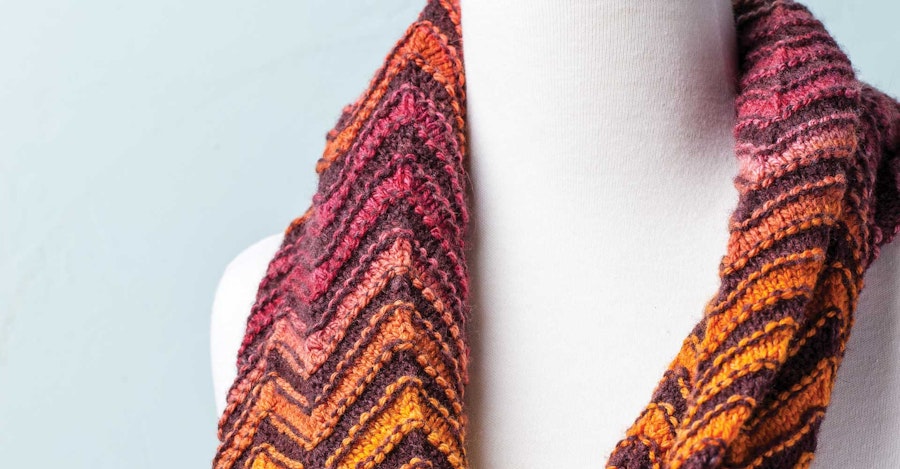
The incised chevron columns at Durham Cathedral inspired Kate to design a textile that translated stone into fiber.
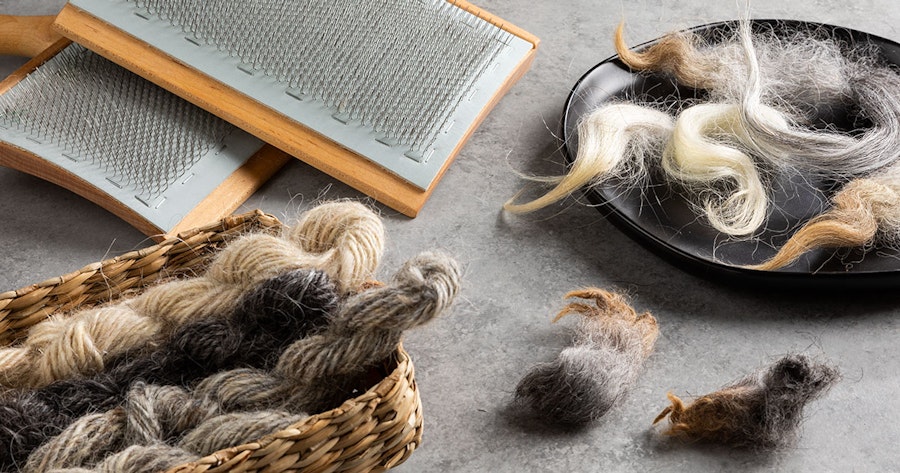
The authors in the Summer 2020 issue, each in a personal way, share pieces of their own handspun histories.
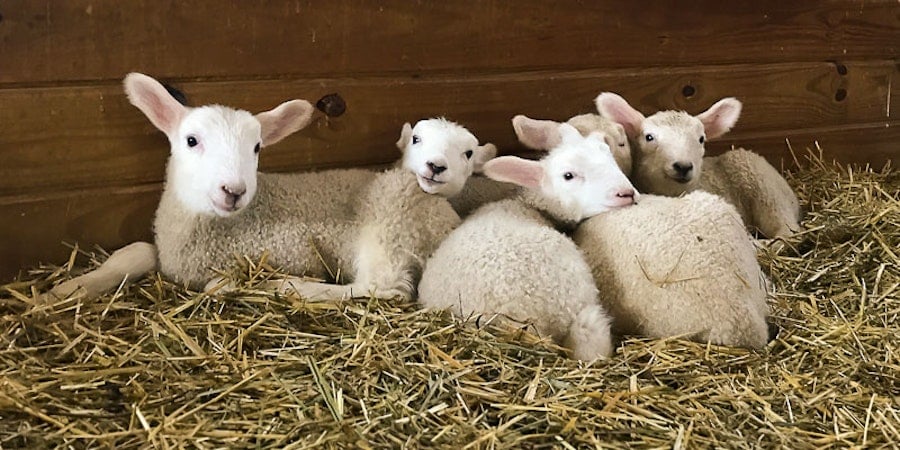
During lambing season, I spend more time with my Border Leicesters than at any other time of the year.
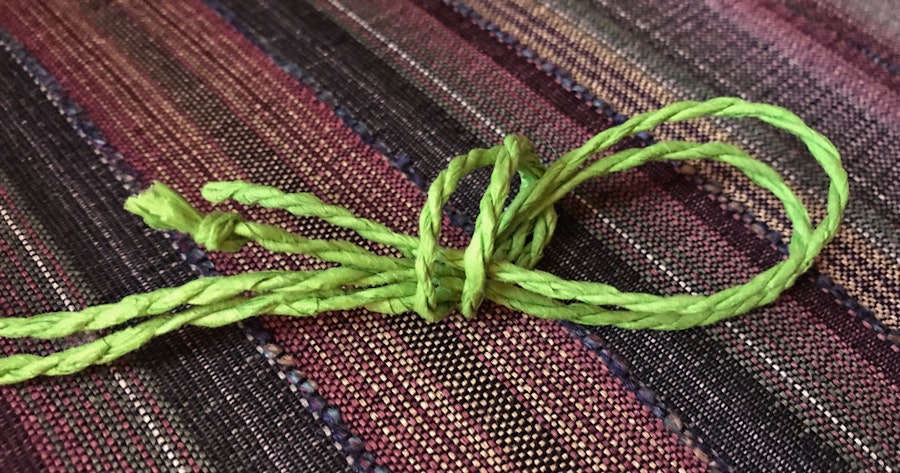
I’ve explored different papers over the years, some with more success than others. The length of the fibers in the paper, the thickness of the paper, and the intended purpose of the yarn all contribute to success . . . or . . . not so much.
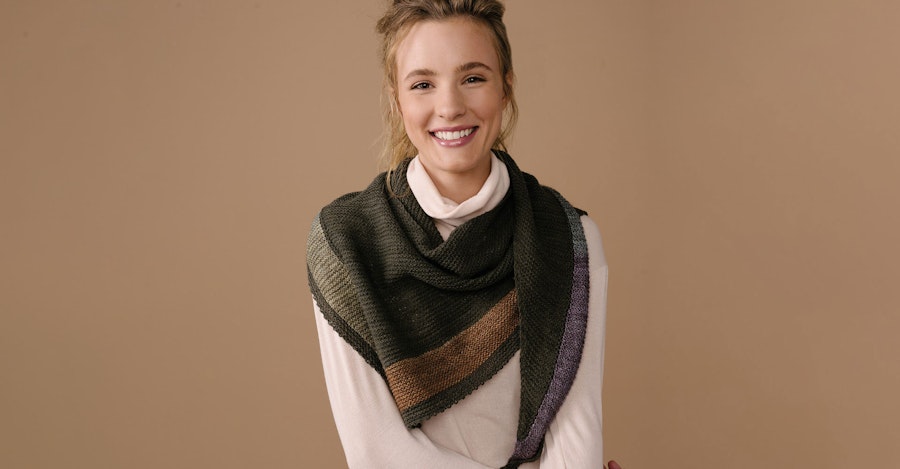
Megi Burcl’s Beacon Shawl is made in separate sections rather than using an intarsia technique.


