
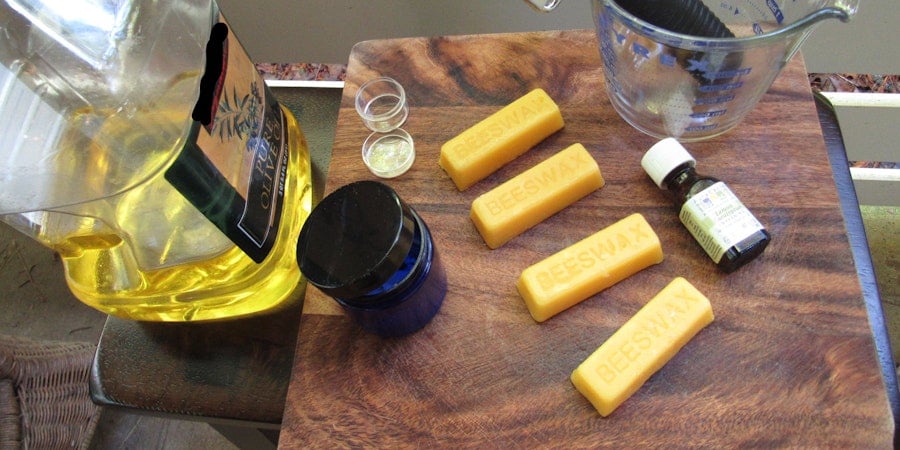
I’m not all that particular about measurements, but I know that I prefer the viscosity of using a 3:1 ratio of oil to beeswax. Start with 1 ounce of beeswax and 3 ounces of oil to see how you like your first batch of natural spinning wheel conditioner.
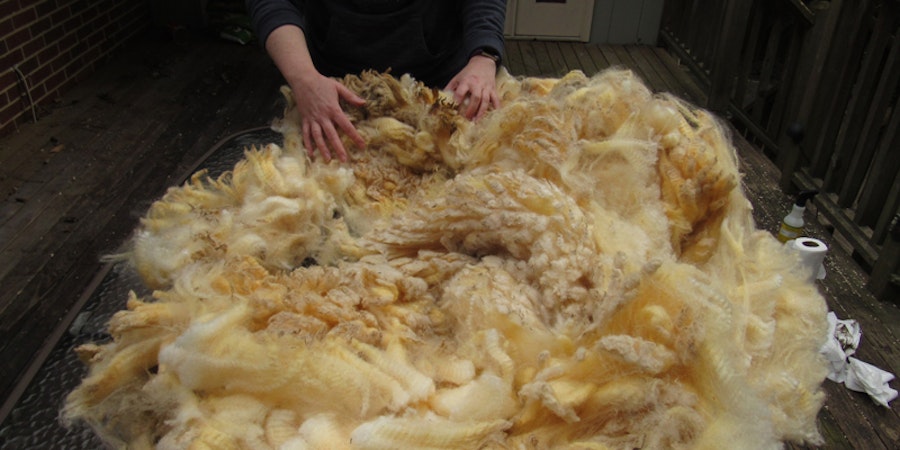
Last year, my friend Kim’s husband asked what she wanted for their wedding anniversary. A spinner and all-around fiber lover, Kim responded, “A sheep.”
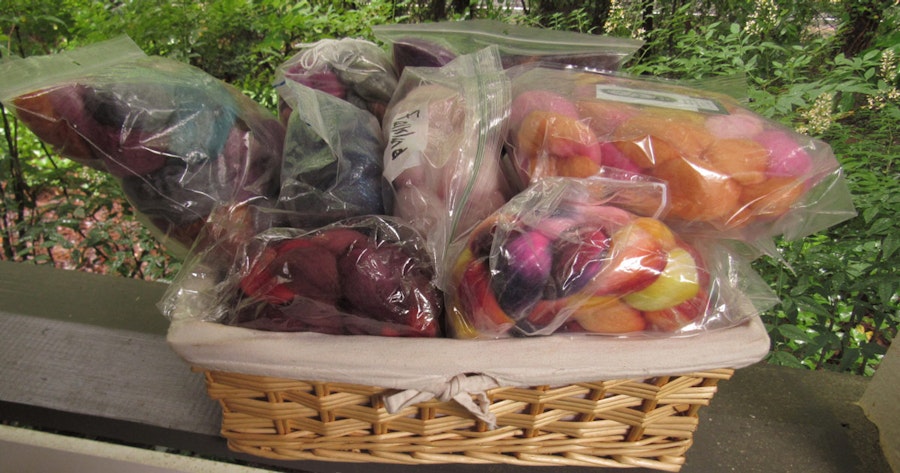
Before you say that you have a day job and therefore don’t partake in spinning competitions, let me try to convince you that the Tour de Fleece is totally not a competition and instead just a whole lot of fun.
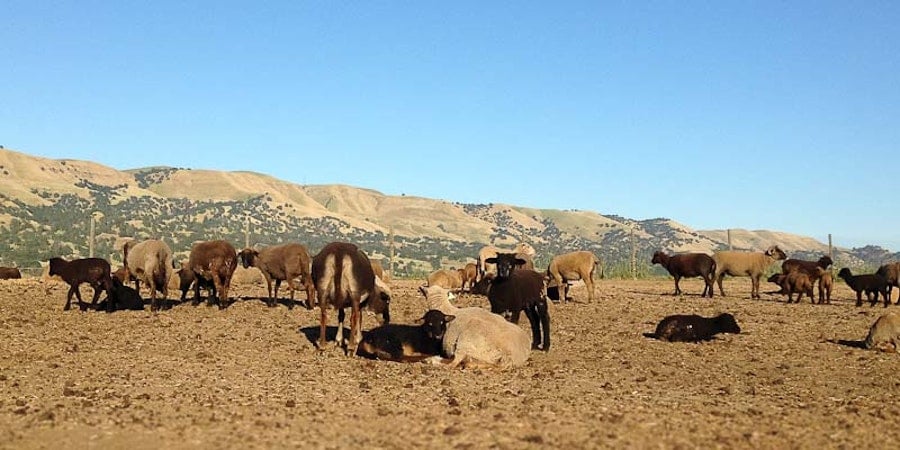
California cotton breeder Sally Fox is most widely known for organic cottons that grow in a luscious range of tans, greens, and warm browns. Sally also keeps a growing flock of natural color Merinos roaming her Capay Valley fields—such fleecy goodness!
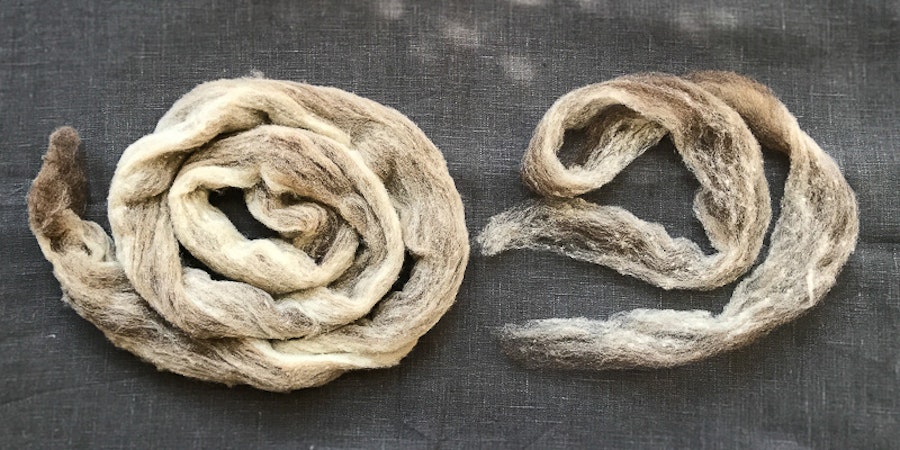
I've been stash diving as summer fades to fall. Most of what settles to the bottom of my stash are fibers that I like but have a problem to be solved.
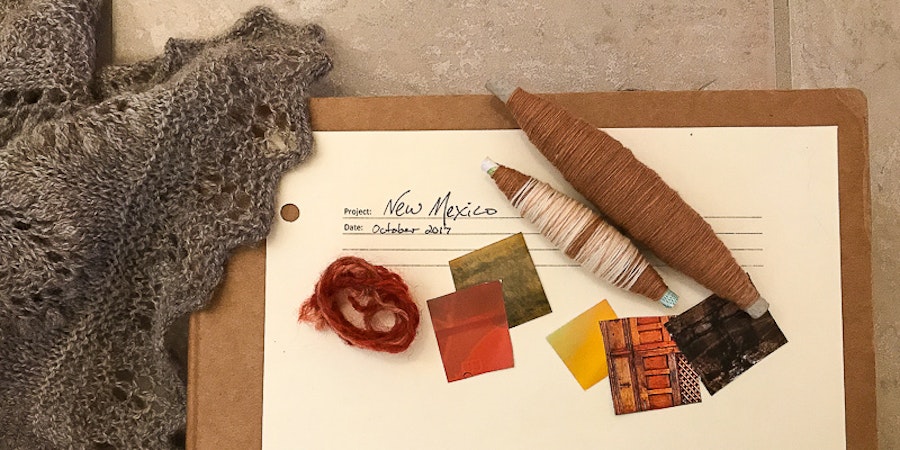
How can a mesa be transformed into a hank of handspun? My favorite tool is my spinner’s notebook, a sort of handspun yarn journal.
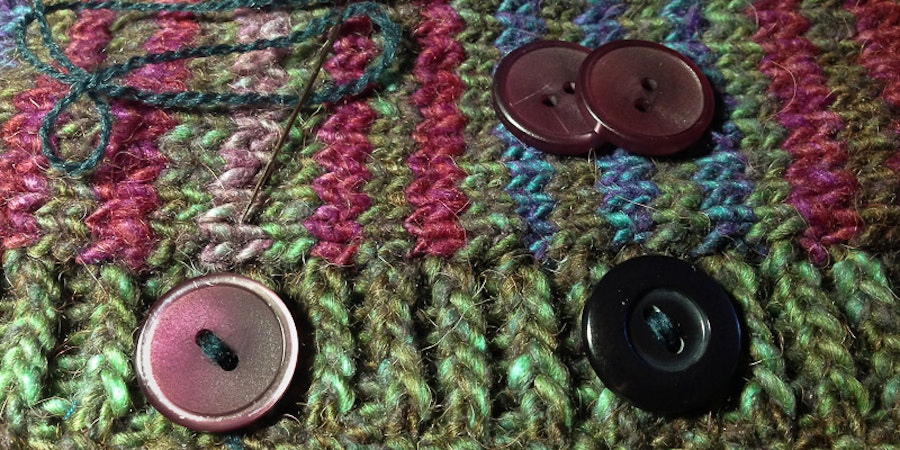
Do you have a sheepish project in your fiber closet that needs some love—or is it time to start frogging knitting?
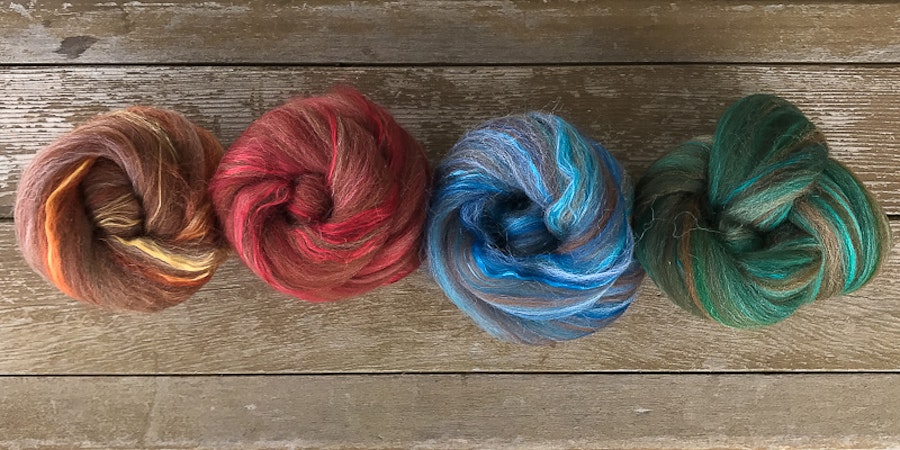
Even with just a few quick passes through the marketplace, I came home buzzing with ideas and an armload of inspiring spinning fiber.

Although the World Wide Web offers access to an unlimited variety of spinning wool and tools, nothing beats a trip to the fiber shop—even if getting there requires a plane ride! Some fibers must be experienced in person. With this in mind, the family-ow
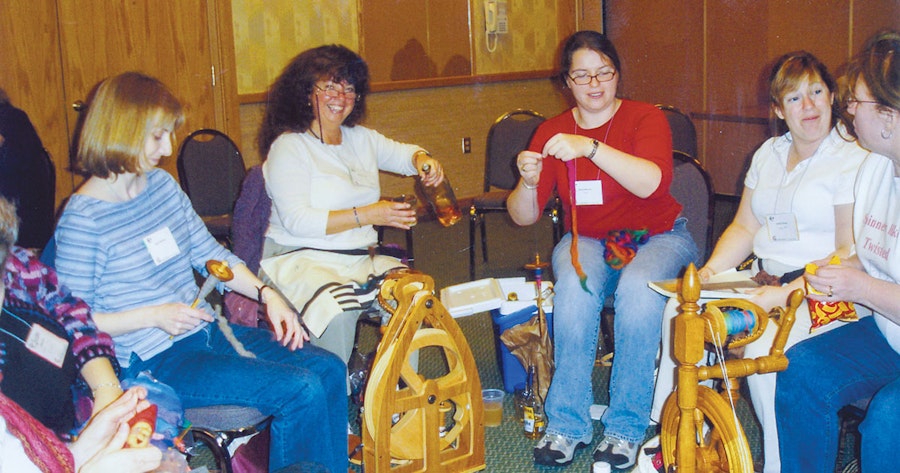
For many of us, learning to spin yarn can be a life-changing event! In the Fall 2017 issue of Spin Off, Kathy Augustine took a brief and very unscientific survey of some of Spin Off’s contributors. Here’s what they had to say about learning.