
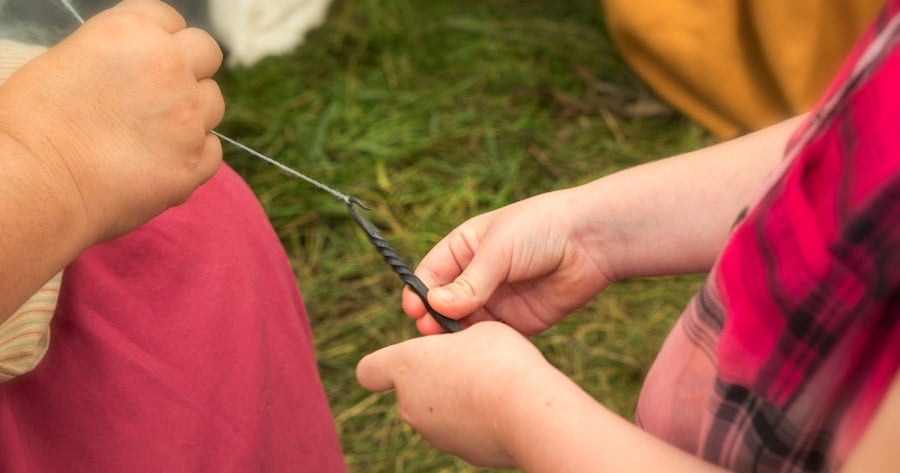
When we demonstrate handspinning, it’s not always feasible to let children try our wheels or spindles. So, how do we teach children about spinning?

The dog hair doesn’t have the same sort of gripping scales on the shaft as wool, and it is slicker than cotton, so it was like learning to spin all over again!

Suddenly spinning solo? Make the most of your online community.

Subscriber Exclusive
Grab a hook and some handspun and make these delightful mitts. Plus, get great tips to fine-tune your crochet gauge.
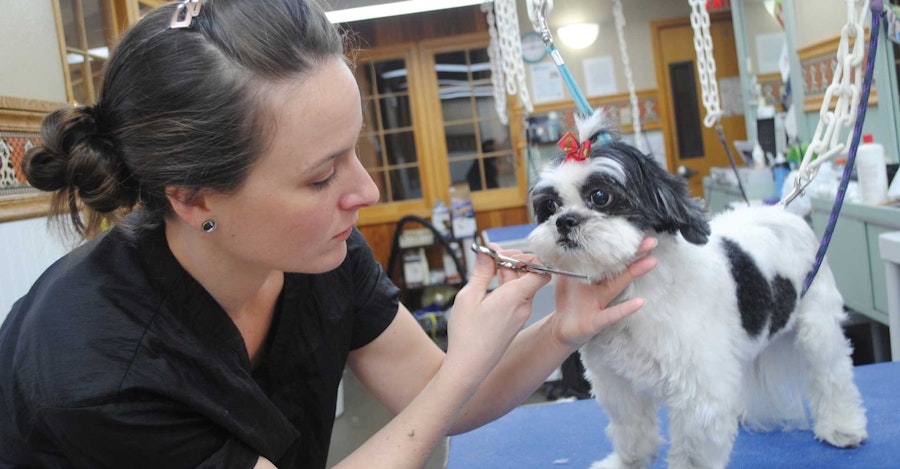
I get to play with all kinds of animals while also building close relationships with them and their families.
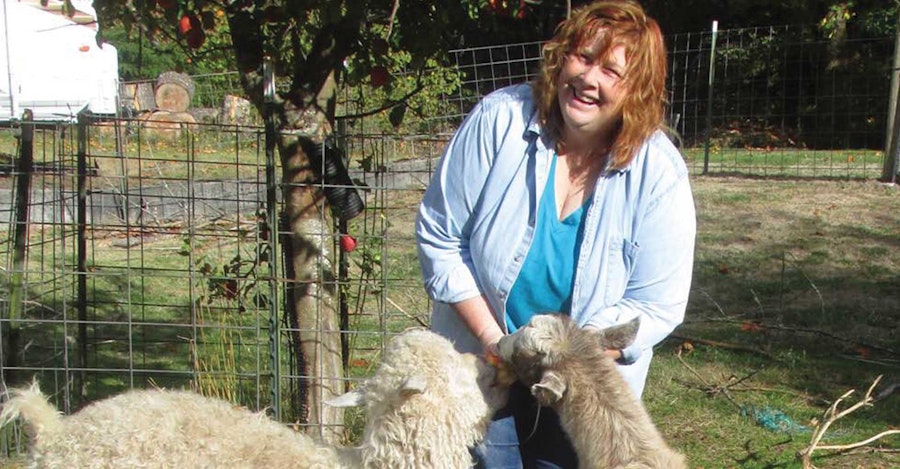
Terry Mattison's job is very fast-paced and highly technical. At the end of the day, her brain is tired, and spinning helps her relax and clear her head.
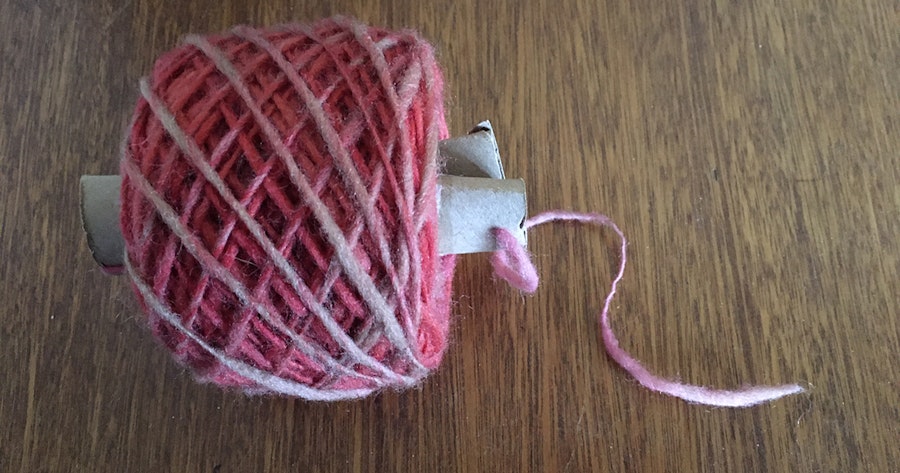
Here’s a list of my favorite, thrifty “spinning tools” that I absolutely cannot do without!
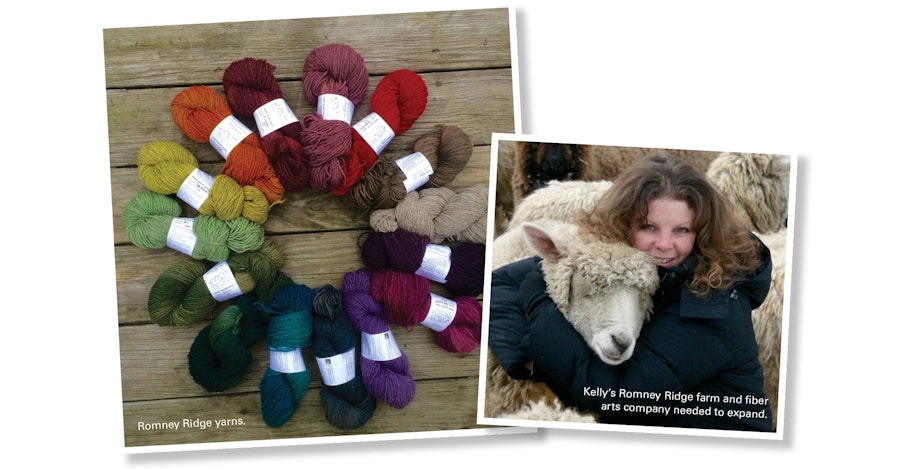
Dream of starting your own Kickstarter campaign? Denise Frame Harlan offers some valuable tips.
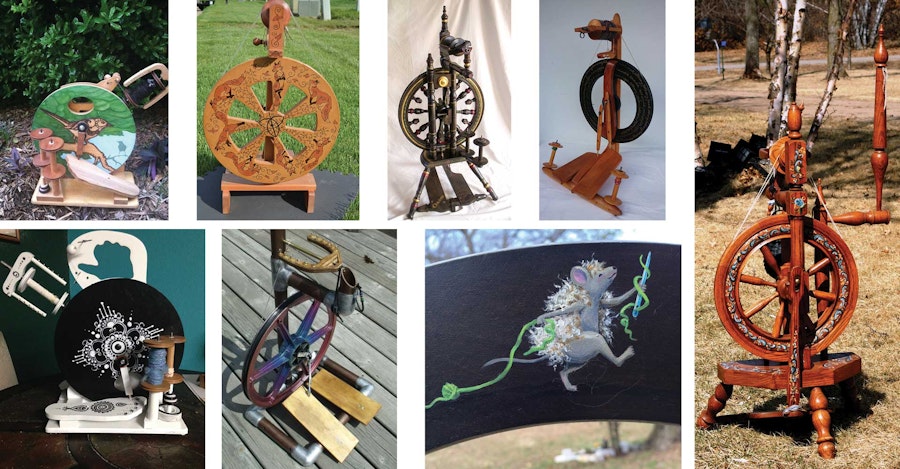
From steampunk to delicate floral displays, spinners embellish and personalize their wheels, burning, painting, and stamping them.
Subscriber Exclusive
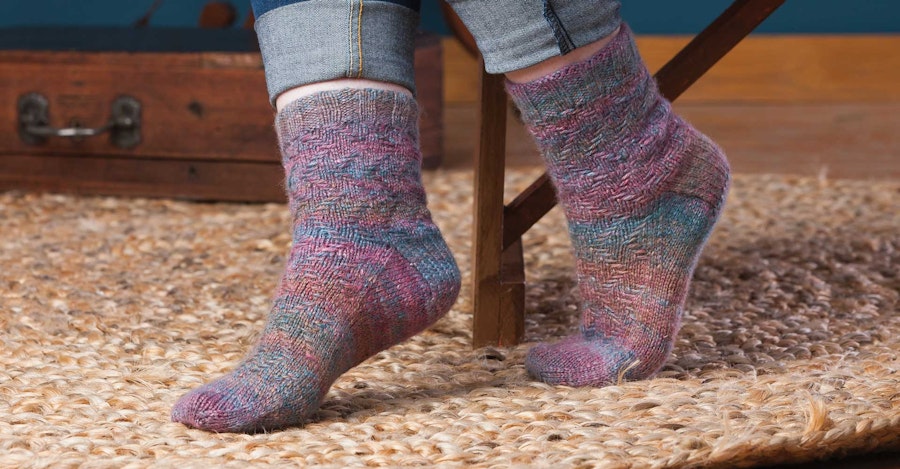
I like BFL for socks as I find it wears nicely, and the addition of the silk also adds some wearability as well as a nice sheen to the finished yarn