
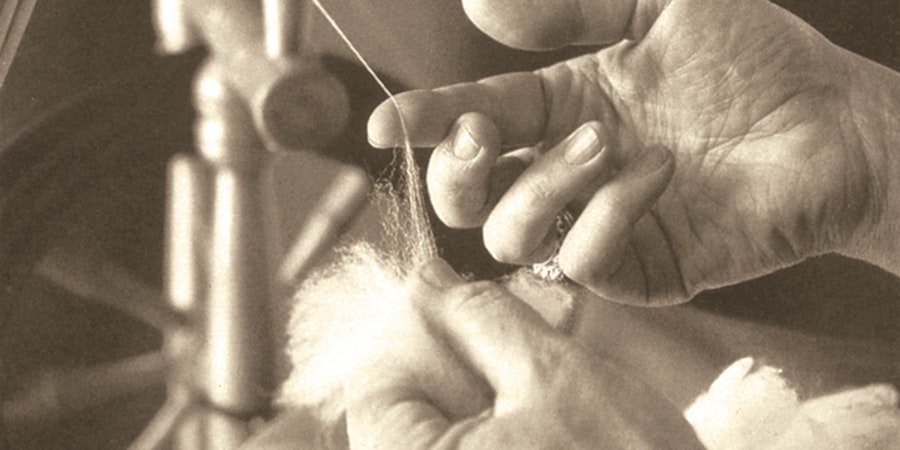
Margaret Stove has taught spinners around the world how to wash and spin ultrafine wool. But outside the spinning community, she may be best known as the designer of the shawls that were New Zealand’s gifts to Prince William and Prince George.
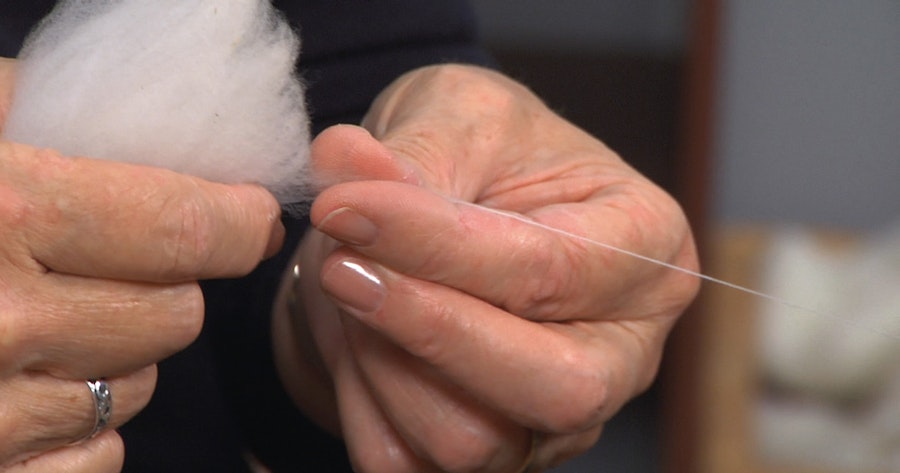
Inspired by an article about the Shetland hap in the upcoming Spin Off Fall 2018, I’ve been thinking about spinning for lace, Shetland shawls, and Margaret Stove.
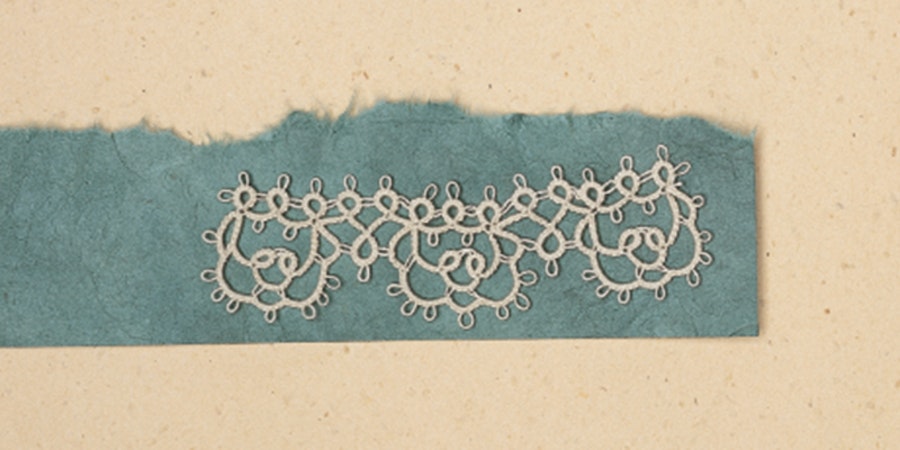
Enjoy a free tatted edging pattern from PieceWork’s Trimmings. This department offers a collection of patterns, charts, and instructions that have been gleaned from old magazines and books that are no longer generally available.
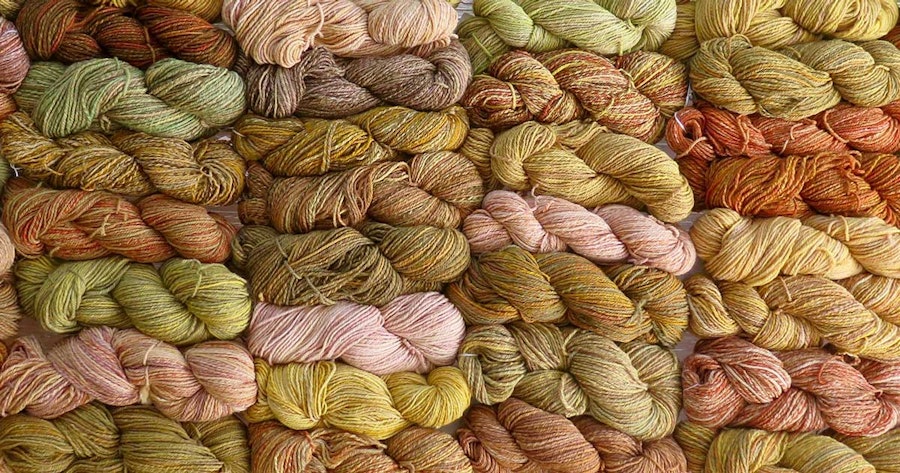
Spin Off contributor Brian McCarthy learned to spin shortly after his retirement. Soon he became fascinated with natural dyeing and Navajo plying.
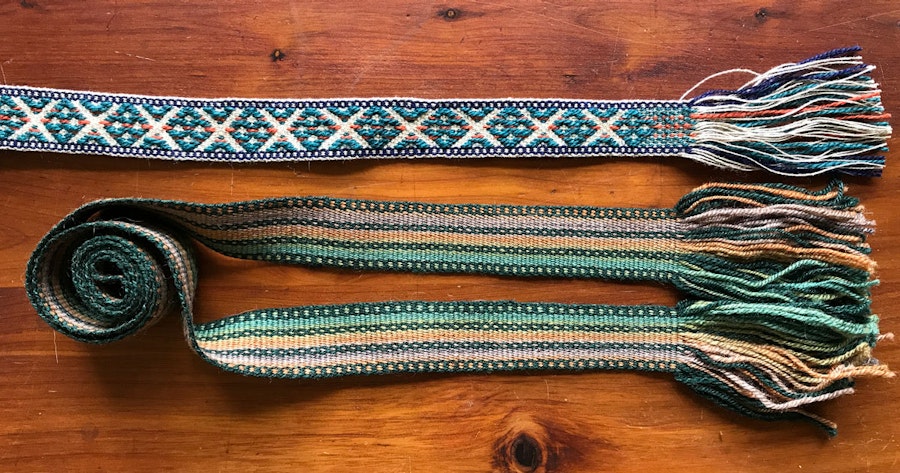
Have you ever tried spinning for inkle weaving? I was inspired to give it a go after seeing an abundance of beautiful, handwoven bands during my travels in Estonia and Norway.
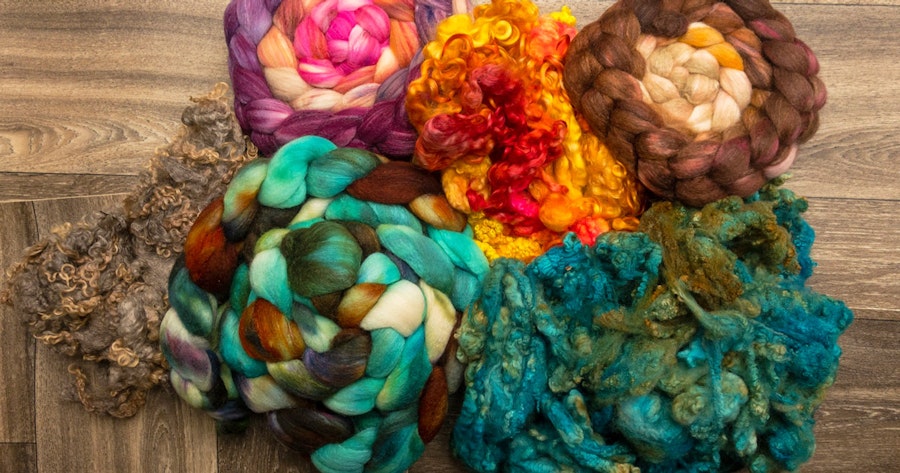
On more than one occasion, I have written in support of keeping a well-stocked fiber stash. I like to think of it as a pantry rich with enticing spinning ingredients.
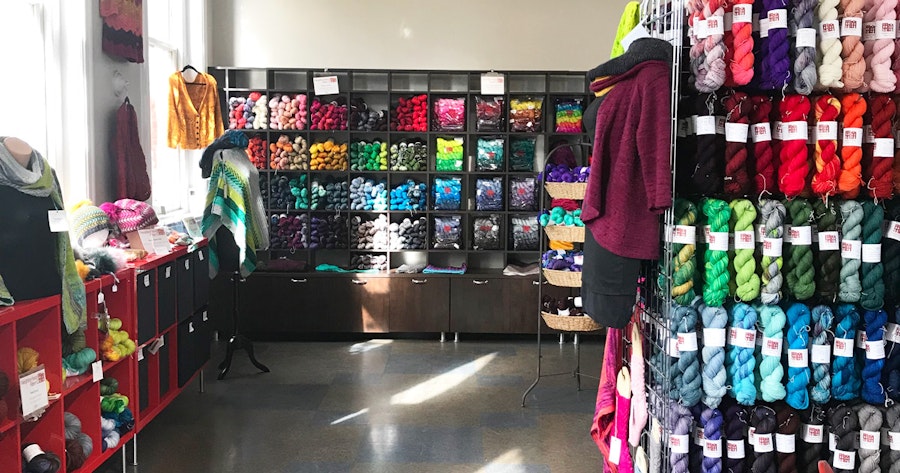
This roving reporter has just returned from Baltimore, Maryland, stuffed with crabcakes and carrying burgeoning suitcases stuffed with spinning fiber.
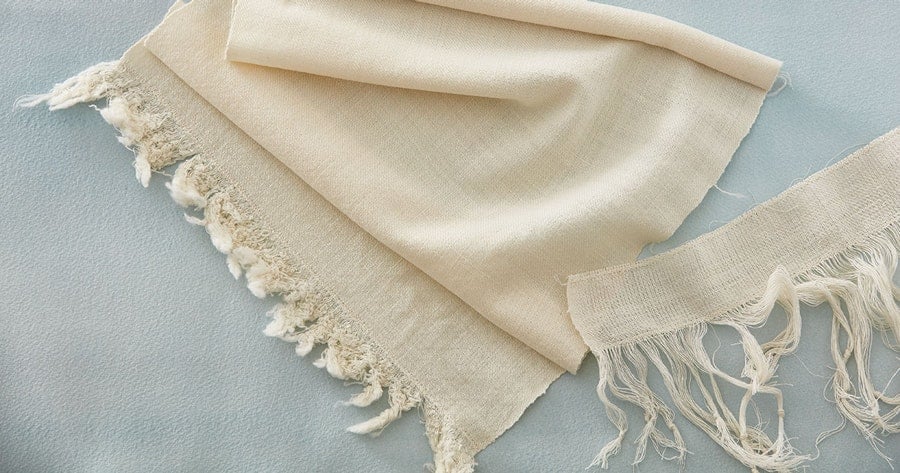
Sarah Wroot’s working title for her Spin Off article started as “The Cassimere Project” but became “The Cassimere Insanity.”
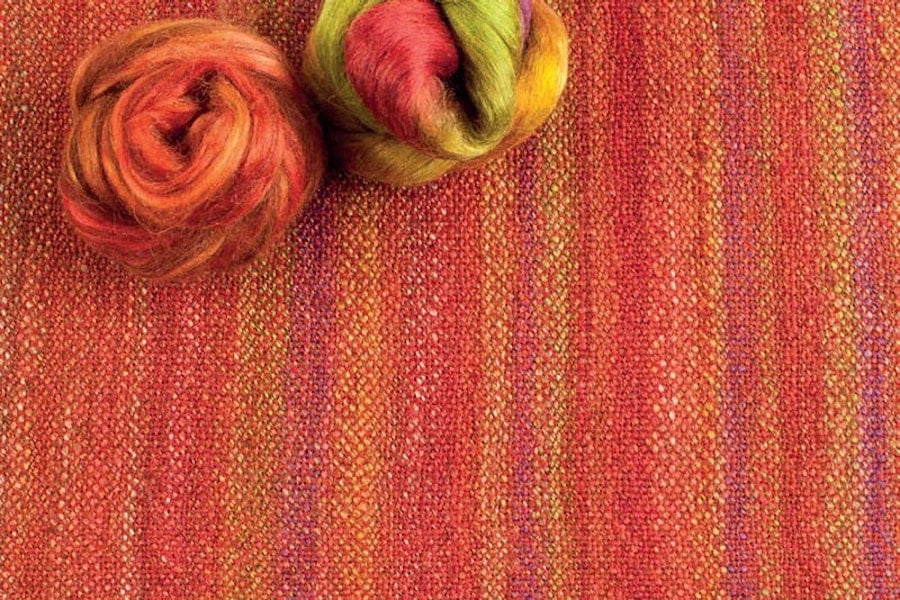
I've know many spinners who are loath to sample and almost protective about weaving with their handspun yarns.
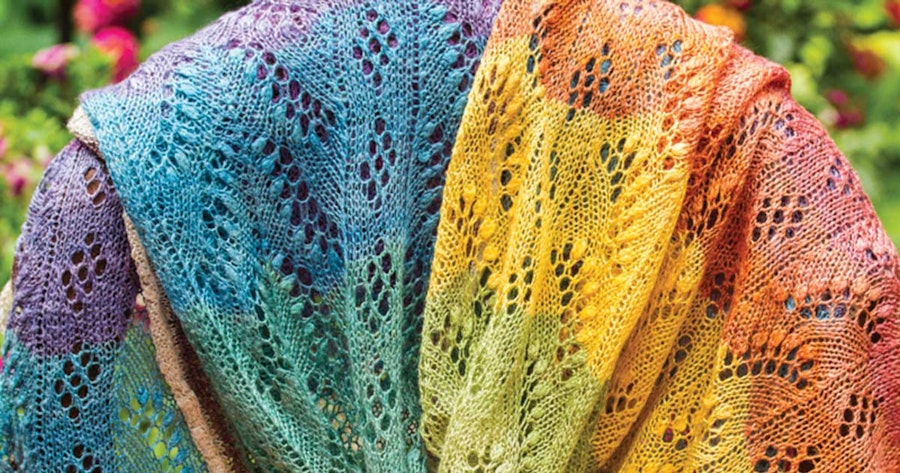
Terri Drouin-Guerette, a former SOAR (Spin Off Autumn Retreat) scholar and Interweave Yarn Fest instructor, shares how spinning satisfies her creative side.